Skip to main content
7710 West Saginaw Hwy Lansing MI 48917
517 - 323 - 8500
Contact
Careers
DEI
Weather
Twitter
Facebook
Instagram
HOME
GOVERNMENT
Township Board
Board Agendas & Minutes
Board Proclamations
Franchise Agreements
Strategic Plan
Accessibility Statement
Boards & Commissions
Agendas and Minutes
Interested in Serving?
Budget
Corridor Improvement Authority (CIA)
Diversity, Equity and Inclusion
ADA Compliance
Elections and Voter Registration
REGISTER TO VOTE TODAY!
Absentee Voter Information
Automatic Absent Voter List Request
Absentee Ballot Tracking
Election Equipment Information
Election Worker Information
Michigan Voter Information Center
Military & Overseas Voter Empowerment Act
Precinct Location Information
Upcoming Elections
Voter Registration Information
Fee Schedule
Forms/Licenses/Permits
Holiday Schedule
Meetings Schedule
Municipal Dashboard
Ordinances
Plans
Policies
Privacy Policy
Projects
Water Resource Recovery Facility Project
Carrier Creek Interceptor
Public Safety Facility & Cold Storage
Roads
Taxes & Property
Michigan Homestead Property Tax Credit
Tax Rates
RESIDENTS
e-Services
Autopay - Water & Sewer
Building Department Payments
Dog Licenses (Available through Eaton County)
Online Ambulance Bill Payment
Online Tax Payment
Online Water/Sewer Payment
Paperless Water & Sewer Bill
Payment Arrangement - Personal Property Tax
Start Water & Sewer Service
Stop Water & Sewer Service
Education in Delta
e-Notify
Events
Flooded Home?
Flooding Q & A
Public Act 222
Forms/Licenses/Permits
Home Rehab Program
I AM DELTA!
Library
Neighborhood Beautification Grant Program
Neighborhood Block Party
New Residents
Public Assistance & Human Service
Publications & Newsletters
Delta Magazine
Delta Now!
Talk of the Township
Delta 39ers and Seniors News
Creating Community (Parks and Recreation Newsletter)
Recycling Newsletter
Recycling
Christmas Tree Recycling
Eaton County Recycling Programs
Items Accepted at the Recycling Center
Yard Waste Recycling
Rental Facilities
Community Center
Enrichment Center
Waverly East Intermediate Pool
Pavilion & Picnic Shelters
Snow Removal
Trails
Transportation
CATA Bus Service
EATRAN Bus Service
Lyft
Uber
DEPARTMENTS
Accounting
Accounting Forms
Audited Financial Statements
Budget
Debt Service Report
Dog Licenses (Available through Eaton County)
Pension/OPEB Report
Taxes and Property
Water and Sewer Rates
Assessing
ECF's - Sale Analysis
Frequently Asked Questions
Commercial and Residential Forms
Property Information Lookup
Property Verification
Building
Civil Infractions
Current Codes
Fee Schedule
Frequently Asked Questions by Homeowners and Contractors
New Home Construction
Online Permitting & Inspections
Paper Permitting
Rental Property Registration
Residential Building Information & Safety
Sign Board of Appeals
New Commercial & Industrial Construction
Clerk's Office
Amusement, Entertainment and Vending
Cemeteries
Elections and Voter Registration
EATRAN Tokens
Passports
Delta Patrol
Eaton County Sheriff's Office
Eaton County Sheriff’s Office S.C.R.A.M. Program
Eaton County Sheriff’s Office Vacation Check Form
Overnight Parking Exemption
Submit A Tip
Engineering
Delta Township Stormwater Management
GIS Mapping
Right-Of-Way Permitting
Sidewalk Construction Standards
Utility Standards & Details
Well Plugging
Fire
DIAL 911 - Guide to Emergency Help
Becoming a Paramedic/Firefighter
Burning Permit/Affidavit Form
Emergency Center
Emergency Management
Fire Alarm, Fire Suppression, or Fire Sprinkler System Impairments and Tests
Fire Department History
Fire Forms
Health & Safety
Live Dispatch
Fire Prevention Information
Human Resources / Employment
Diversity, Equity and Inclusion
Library
Manager's Office
Budget
Freedom of Information Act (FOIA)
Organizational Chart
Noise Waiver
Parks & Recreation
Online Registration
Cemeteries
Events
Rental Facilities
Parks & Paddle Launch Sites
Athletic Programs
Classes & Teaching
39'ers (50+) Senior Programs
Registration Policies
Volunteer Opportunities
Sponsorships
Aquatics Program
Planning
GIS Mapping
Planning Forms
Planning & Zoning Information
Utility
Water Quality Report
Utility Standards & Details
Utility Code
BUSINESSES
Available Development Sites on LoopNet
Bid Postings
Census & Demographics
Choose Delta
Community Profile
Economic Development Office
How can the Economic Development Office help you?
Forms/Licenses/Permits
Liquor License
New Business Checklist
New Business Resources
Restaurant Week
Snow Removal
Starting & Operating a Business in Delta Township
Vending
HOW DO I? (FAQ)
A Great Place
To
LIVE WORK
AND PLAY!
Search
Search
Agendas & Minutes
Learn more
Property Information
Learn more
Freedom of Information Act (FOIA) Request
Learn more
Online Permitting
Learn more
Bill Pay
Learn more
Mapping/GIS
Learn more
The Latest
News
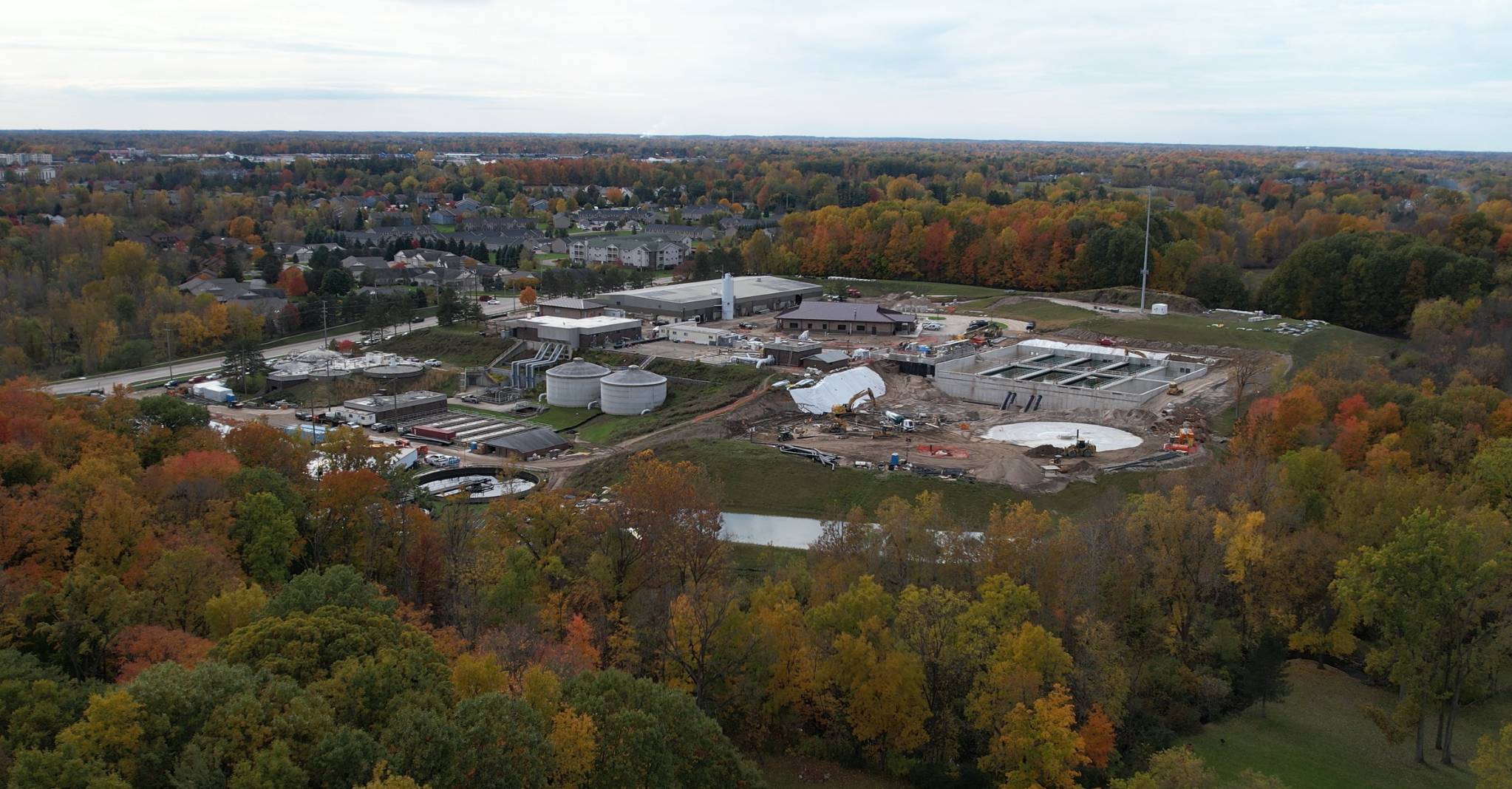
Water Resource Recovery Facility (WRRF) Major Capital Improvements Project
Read More
Check Out Our Current Open Positions
Read More
Door-to-Door Vending Information
Read More
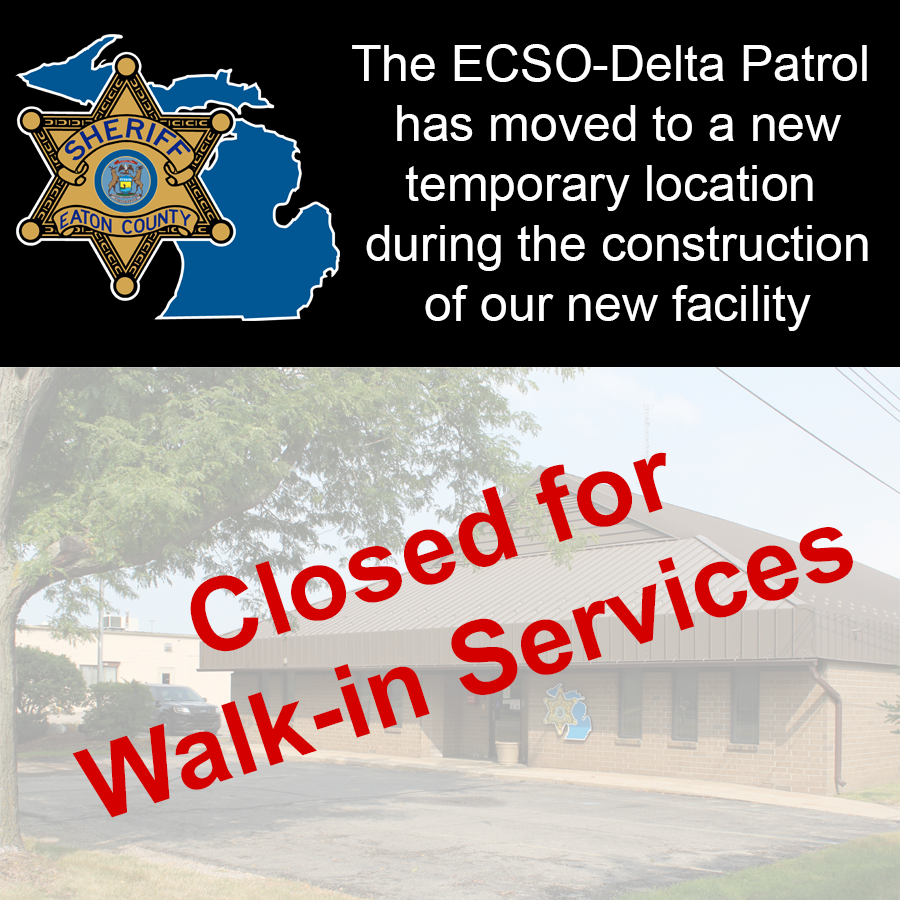
ECSO - Delta Patrol Moves to New Temporary Location for Construction
Read More
Delta Launches New I Am Delta Virtual 5K Event
Read More
More News
Township Events
Meetings
More Events
Township Services
We Are
Social
Twitter
Facebook
Instagram
Contact Us
Do you have an idea, question or comment for the Township? Let us know!
Full Name *
Email Address *
Phone Number 517-xxx-xxxx *
Inquiry *
Contact Us
7710 West Saginaw Hwy
Lansing MI 48917
Phone: (517) 323-8500
Fax: (517) 323-8599
Monday - Friday:
8 a.m. - 5 p.m.
Twitter
Facebook
Instagram










 Township Events
 Meetings